Your EV won’t cut out without warning. Here’s exactly what happens — and how to handle it if you do get caught short.
You’ll get plenty of warning first
Most EVs start alerting you when range drops below 50km, then again at 20km, and again around 10km. At very low charge, the car enters a “turtle mode” — it limits your speed and restricts power-hungry features like air conditioning to squeeze out the last few kilometres. It’s the EV equivalent of your fuel gauge sitting below empty but the car still running.
When the battery actually hits zero
The drive motor loses power and the car rolls to a stop. Unlike a petrol car stalling, EVs are designed for this — power steering and brakes continue working because they draw from a separate 12V auxiliary battery, not the main traction battery. You’ll be able to steer safely to the kerb.
What to do next
- Call roadside assistance. NRMA, RACQ, RACV, RAA, and RAC all cover EVs. They can tow you to the nearest charger. NRMA also operates a small number of mobile charging vans in NSW that can provide a few kilometres of emergency charge on the spot.
- Don’t try DIY solutions. You can’t jump-start an EV’s traction battery. Hooking up the wrong equipment can damage the 12V system.
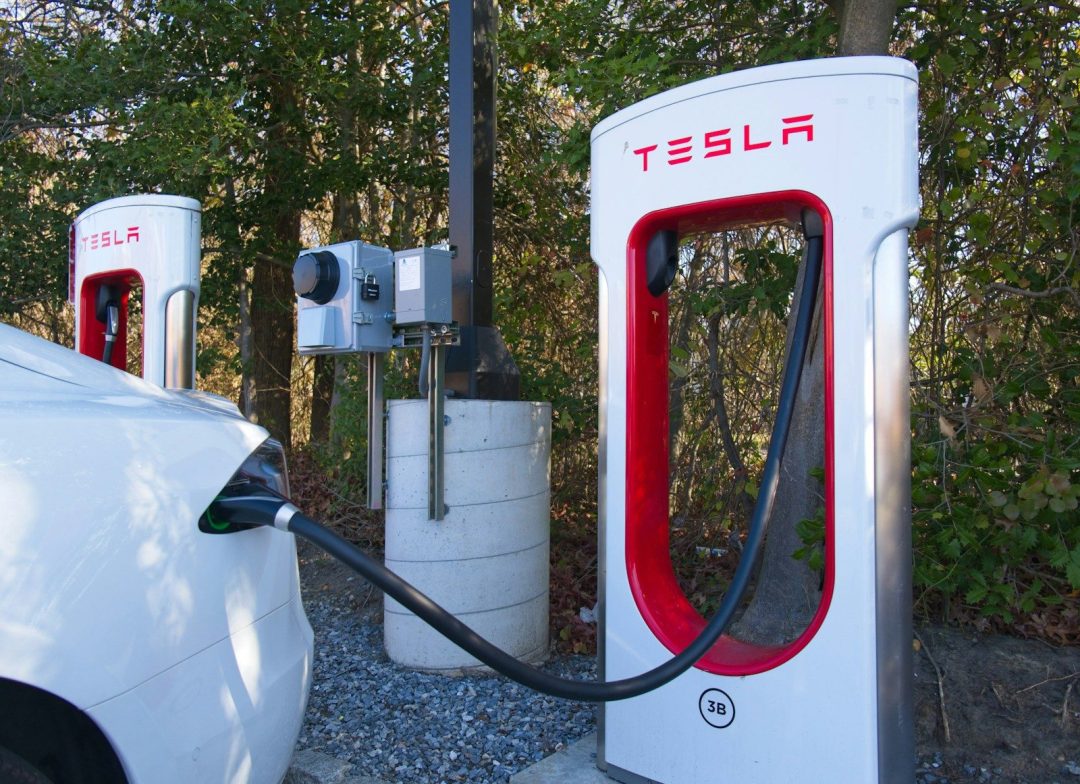
- Once at a DC fast charger, 15–20 minutes of charging will get you enough range to continue your journey.
Does running flat damage the battery?
Occasionally, no. Repeatedly running your battery to zero can accelerate degradation slightly over time, but modern EVs protect the battery by maintaining a small reserve even when the dashboard shows 0%. Most owners never experience this — range anxiety fades quickly once you’re in the habit of plugging in at home each night.
How to avoid it
- Use your car’s built-in navigation for longer trips — it automatically calculates charging stops based on your actual charge level
- A Better Routeplanner (ABRP) is excellent for detailed trip planning across Australia’s charging network
- Make home charging your default — start every day with 80–90% battery
- If travelling remote WA, NT, or outback routes, plan more conservatively — the charging network is thinner away from the coastal corridor